
DIY Campervan Conversion Guide
If you are looking at a DIY campervan conversion project there are a few things you will want to consider before you take the plunge.
Planning Is Key
Converting A Van Yourself Is A Great Project And Also A Complex Project So Good Planning Is Key.
There are a number of things to consider and the first one is how you intend to use the van. Is it for weekends away, more adventurous trips, touring or full on van life?
The answer to this question will help to determine what size and type of van will best suit your needs.
There are many options, from a micro camper to a medium wheel base van to a big L4 H3 panel van or even a luton van.
This is the first thing to consider in the planning stage. How are you going to use your van?
And once this is decided you can move on to the layout of the van and the utilities you will need.

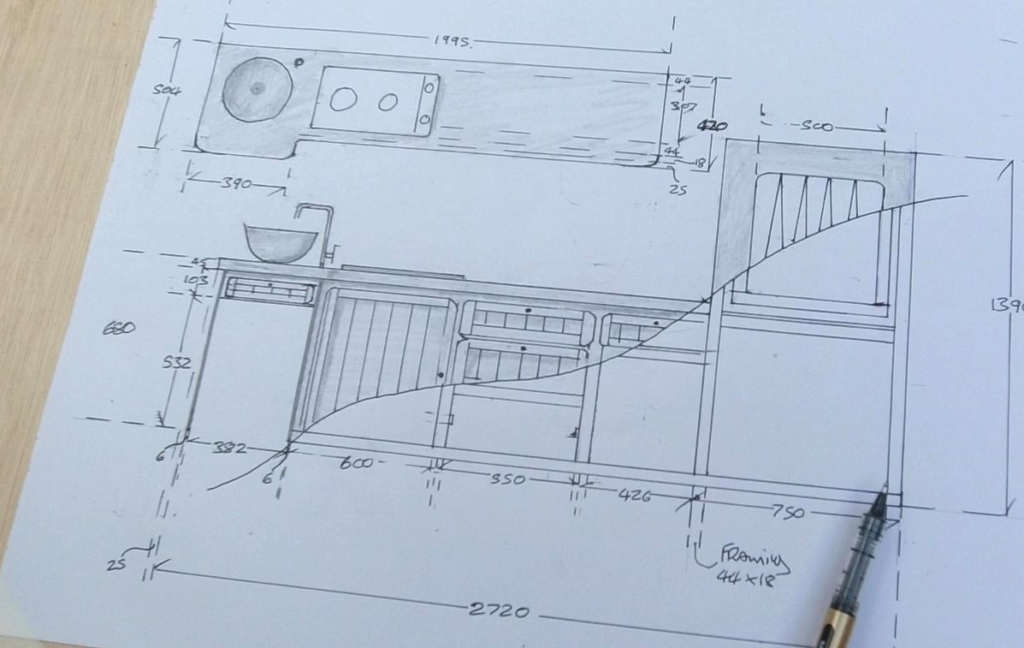
The Next Phase Of The Planning Stage Is The Layout And Utilities For Your Campervan.
The best place to start with the layout is with accurate internal dimensions of the van. With the internal dimensions you can make a scale drawing or sketch of the internal space.
Then consider the fixed utilities i.e do you need a heater, hot water, shower, toilet, fridge etc. List what you will need and consider where these utilities will go when planning the layout.
And with that you can try different layouts and placing the utilities like the cooker, fridge etc in different places on the sketch until you find a layout that works for you.
Once you have a layout that you are happy with it is well worth making a more detailed drawing and even getting the correct dimensions of the sink, hob etc so that you are sure everything will fit before you buy them and start your build.
As you do this you will build up a list of materials you will need to do the full conversion which will be a great help when it comes to budgeting.
The Next Thing To Consider In The Planning Stage Is Aesthetics.
Once you have decided upon the size of the van you will need and the layout and utilities. The next thing is the aesthetics, the look and feel of the van.
You are going to spend time in your van and you will want it to be a comfortable and functional space. This is important because if it is decided before you start the work it will determine your choice of materials.
Unless you already have a definite idea about how you want your van to look it is worth doing some research. Look at other layouts and aesthetics and find something you like and are able to re-create or a mix of a few. It is also a good idea to make a mood board to test different colours and textures.
When all of this has been considered and decisions have been made it is time to look at budgeting.
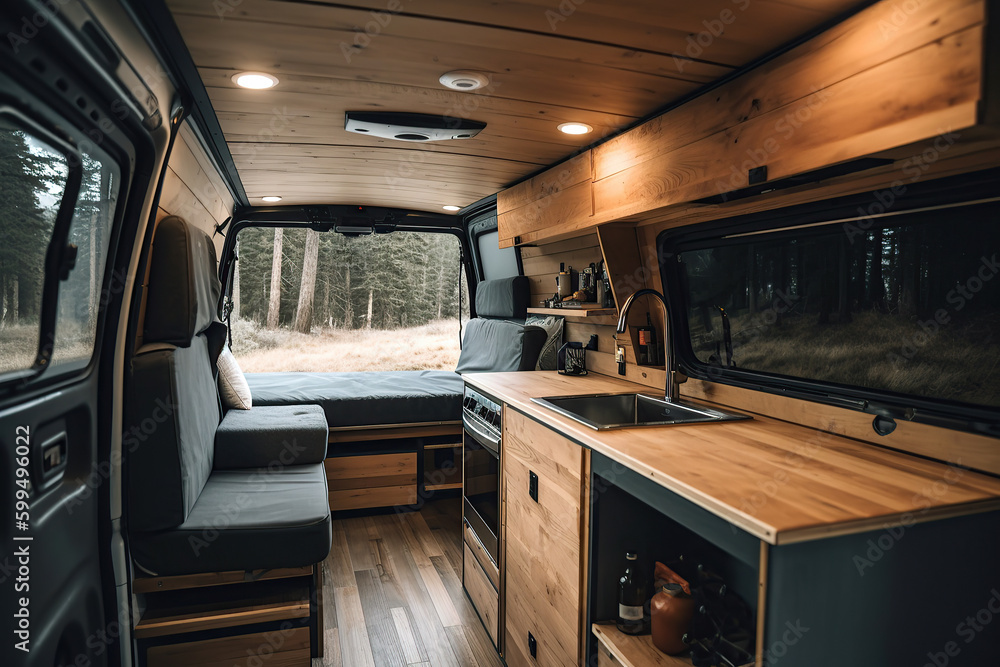
So To Sum All Of That Up.
Figure out what size van you need based upon how you are going to use it.
Find a type of van that will suit your needs.
Make a detailed plan for the layout and utilities.
Decide how you what the conversion to look.
Make a list or spreadsheet of the materials and quantity of materials you will need, from insulation to solar panels, from windows to timber and everything in between. With this list you will be able to make a fairly accurate budget for the conversion itself.
Here Is The PDF Spreadsheet Of Materials And Costs For A Van I Converted Recently And An Image Of The Completed MWB Peugeot Boxer Van.

Budgeting
The budget for a DIY campervan conversion breaks down into two main areas: the van and the materials needed to do the conversion.
With the planning stage done you will now have an idea of how much the materials to convert your van will cost. And if a decision has been made about the van itself a quick search of van sale sites will give you an idea of what the cost of the van is going to be.
The main things when looking for a van are the mileage it has covered, the service history, MOT history and what has the van been used for and the general condition. Searching for the right van can take some time but this will give you a good idea of what is available within your budget.
If you are working to a budget and you find that the overall cost is above your budget you have a couple of options. You could find a cheaper van but realistically you want to get the best van you can. As the price goes down it is inevitable that the overall condition of the van will fall too which could lead to repairs in the future pushing the price back up.
You could also cut back on some of the utilities in the conversion or find cheaper options or add them gradually.
Or you could wait and save enough money to convert the van as originally planned.
Whatever the costs came to in your planning stage it is always wise to add about 10% for unforeseen circumstances.
One more factor in the budgeting stage is the tools required to do the conversion. If you don’t have a good set of power tools you will have to add the cost of these to your overall budget, but more about that in the next section looking at resources and skills.
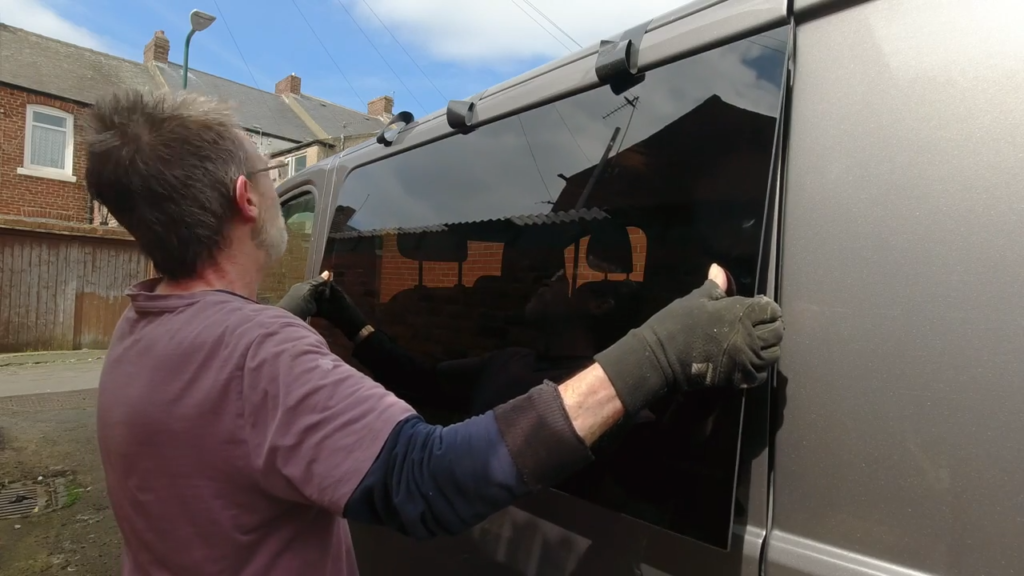
Resources and Skills.
Converting a van requires many skills from the bodywork like putting the windows and roof vents in, to the wiring and 12v electrics, to cabinetmaking and joinery work.
All of these skills can be learned and there are many youtube videos and books covering each aspect of converting a campervan. But you also have to be realistic and if you don’t feel comfortable about the task even after researching and looking through the “how to” videos it is best to find a professional to help with those aspects of the conversion you are not confident about.
This will alter the budget but will also potentially prevent costly mistakes.
So you have to look at these things and decide if you feel comfortable undertaking the task or not.
Having said that there are some great tutorials and if you have time to study these and are willing to follow them there is no reason why you can not do the full conversion yourself.
I recall the first window I ever put in a van……it was terrifying…..I had to cut a large hole in the side of my van and then bond the window to the van. But I researched and researched, I measured twice or three times and then took the plunge. And it worked out fine, but it was something I had never done before.
Same with the 12v electrics, the first van I did not have a clue. But again I researched and studied and eventually the penny dropped and I felt confident to fit the solar panel, DC-DC charger and all of the 12v utilities in the van and it all worked out fine.
The point is that if you feel you do not have the right skillset to convert a van, you can learn them with a little diligent study.
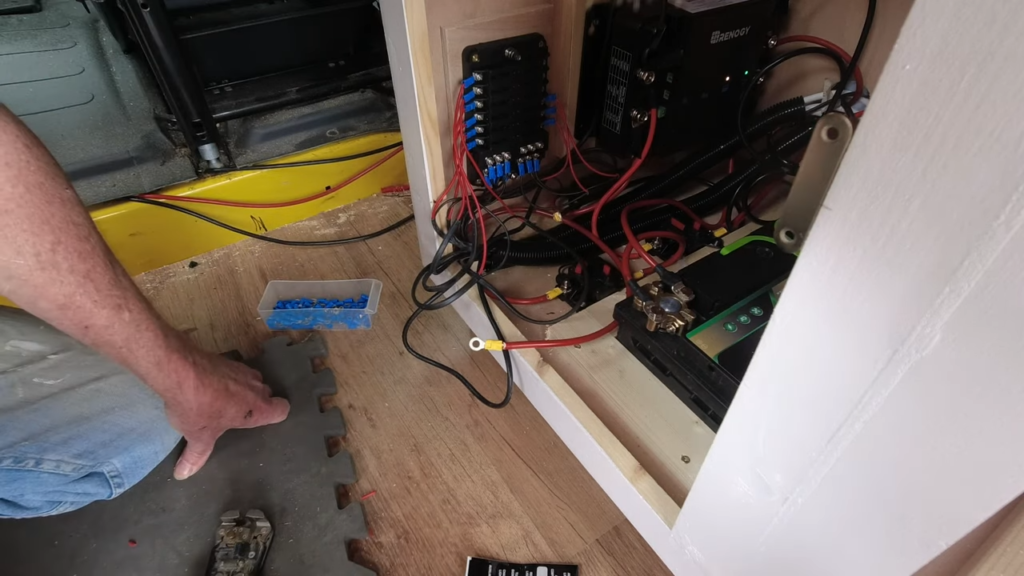

The next thing to consider is resources.
By this I mean you will need a space to convert your van. You will need to cut up large ply panels, make cabinets etc. It is best to have a good clear working space to do this. This is a point to consider and the build will be much smoother if you have a good working space.
Also you will need an array of tools. A jigsaw, chop saw and circular saw and a good hand drill would be a minimum. You will also need various squares and clamps, a router and an array of hand tools. If you already have these….great. But if not they must be added to the budget.
Time is another consideration and another resource. When will you do the work on your van? And how long do you think it will take to complete the conversion? These are all questions which are worth considering before you begin.
The bottom line is that converting your own van is a fantastic project, and as you see there are many things to consider. But with careful planning and a little study it can be done.
I hope the info above will be useful to you and provided food for thought and I wish you the best of luck with your conversion.
I have also created a page which shows each stage of a conversion. Here I convert a Vauxhall Vivaro LWB which is a smallish van but much of the work is the same in any size conversion. Click the button below to see the full series of videos.
